My inspiring blog 5712
Creating a functional and versatile space in your pole barn can be a game-changer. With a little creativity and strategic planning, you can transform your barn into an organized haven for various activities. Whether you're looking to cultivate a workshop, a storage area, or a recreational space, zoning your pole barn effectively will enhance its usability and aesthetic appeal. In this comprehensive guide, we'll explore how to create zones for different activities in your pole barn with detailed insights, tips, and practical advice.
Understanding the Concept of Zoning in a Pole Barn
Zoning refers to the division of space into specific areas designated for particular functions. In the context of a pole barn, effective zoning helps manage activities efficiently while ensuring that each zone serves its purpose without disruption.
Why Is Zoning Important?
- Efficiency: By designating areas for specific tasks, you'll minimize time spent searching for tools or materials. Organization: A well-zoned pole barn allows for better organization; everything has its place. Functionality: Each zone can be designed according to its purpose, enhancing functionality. Aesthetics: Thoughtful zoning contributes to the overall look and feel of the pole barn.
Assessing Your Needs: What Activities Will You Host?
Before diving into creating zones within your pole barn, it's essential to assess what activities you plan to host. Here are some common uses:
1. Workshop Area
If you're an avid DIYer or craftsman, consider creating a workshop zone equipped with tools and workspace.
2. Storage Space
From seasonal decorations to gardening supplies, having a dedicated storage area can declutter your barn.
3. Recreational Zone
What about setting up a space for games or social gatherings? A recreational zone can enhance the enjoyment of your pole barn.
4. Livestock Area
If you're raising animals, it’s crucial to carve out space specifically tailored for their needs.
5. Garden Setup
If you're inclined towards gardening or farming, allocate an area for potting plants or storing gardening equipment.
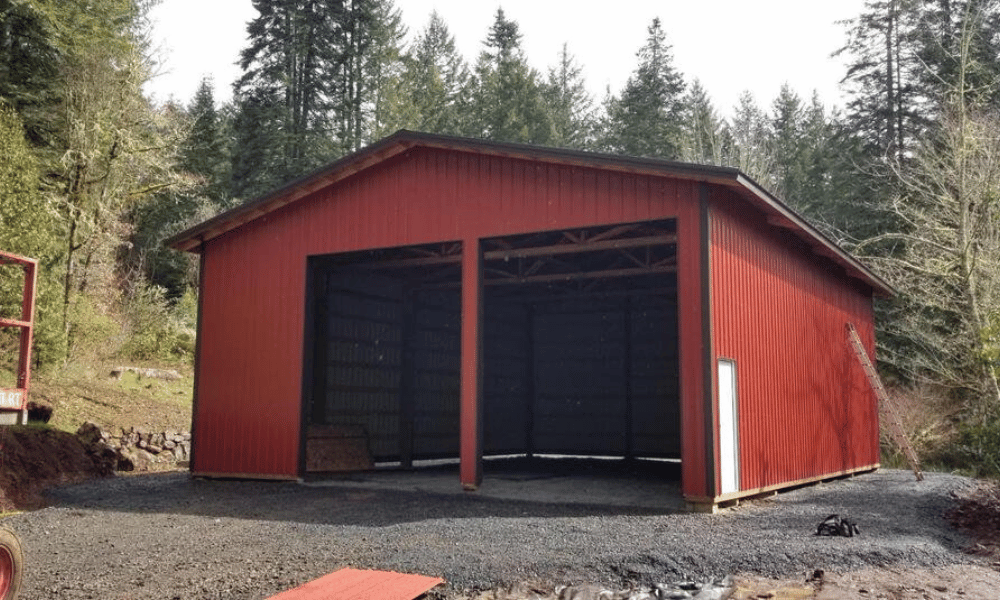
How to Create Zones for Different Activities in Your Pole Barn
Creating distinct zones requires careful planning and consideration of both the available space and the intended use of each area. Here’s how you can go about it:
1. Measure Your Space
Begin by measuring the dimensions of your pole barn accurately. This will help you understand how much room you have available for each zone.
2. Plan Your Layout
Sketch out potential layouts on paper or use digital design software. Identify where each zone could fit best without cramping the overall flow of the space.
Example Layout Plan:
| Zone | Dimensions | Description | |-----------------|------------|-------------------------------------------| | Workshop | 20x15 ft | Equipped with workbench and tools | | Storage | 10x10 ft | Shelving units for seasonal items | | Recreation | 15x20 ft | Furnished with seating and entertainment | | Livestock | 25x30 ft | Enclosed spaces with proper ventilation | | Garden Setup | 10x15 ft | Potting benches and storage |
3. Design Each Zone According to Its Function
Each area should be designed with its function in mind:
- For workshops: Include ample lighting and power outlets. For storage: Invest in shelving units or cabinets. For recreational spaces: Consider comfortable seating arrangements.
Choosing Appropriate Materials for Each Zone
The choice of materials significantly impacts both functionality and durability in each designated zone.
1. Flooring Options
Depending on the activity:
- Use concrete flooring for workshops due to its durability. Consider laminate flooring in recreational areas for comfort.
2. Wall Treatments
Walls can serve practical purposes as well as aesthetics:
- Use pegboards in workshops for tool organization. Paint walls in recreational areas with vibrant colors for an inviting atmosphere.
Incorporating Safety Features Across All Zones
Safety should never take a backseat when creating activity zones within your pole barn.
1. Proper Lighting
Ensure that each zone is well-lit:
- Workshops require bright overhead lights. Recreational spaces benefit from ambient lighting options like string lights.
2. Fire Safety Measures
Install fire extinguishers accessible from all zones—especially near any flammable materials or tools used frequently.
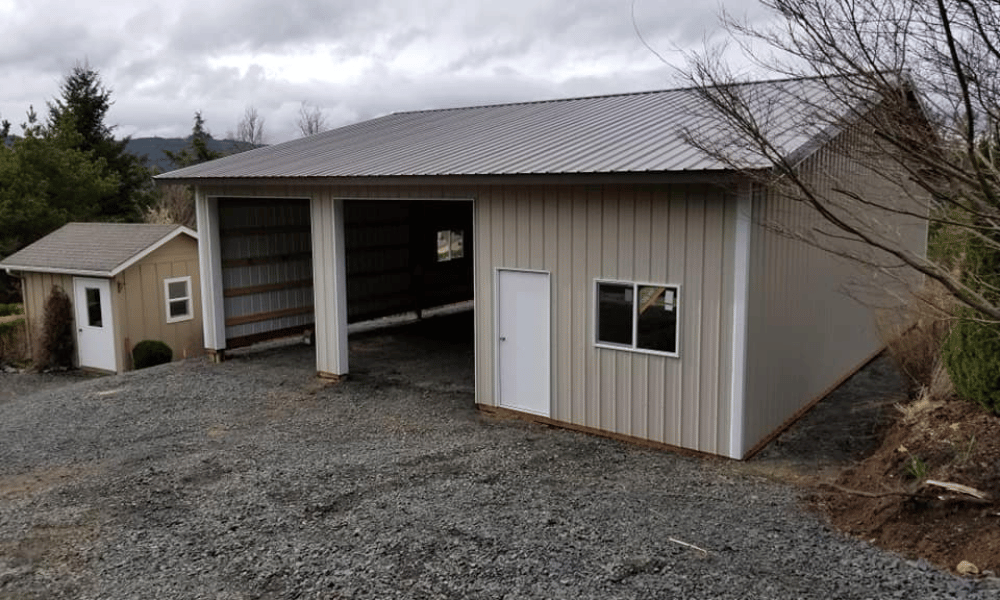
Maximizing Vertical Space: Rethinking Storage Solutions
When floor space is limited, think vertically!
1. Utilize Shelves Up High
Install shelves above head height where less frequently used items can be stored safely yet accessibly when needed.
2. Hanging Tools and Equipment
Pegboards are fantastic options that allow tools to be hung on walls rather than cluttering surfaces.
Creating Flexible Spaces That Adapt Over Time
As needs change over time (and trust me—they will), ensure that your zoning strategy remains flexible.
1. Modular Furniture Solutions
Consider using foldable or stackable furniture pieces that can easily be rearranged depending on current needs.
2. Movable Dividers
Use movable partitions if necessary; these allow you to adjust spaces effortlessly when hosting events or changing uses altogether!
Decorating Each Zone: Making It Yours!
Adding personal touches transforms functional areas into inviting spaces.
Workshop Decor Ideas
Incorporate inspirational quotes on walls or display finished projects as motivational decor!
Recreational Zone Enhancements
Think comfortable furniture choices paired with fun elements like board games or sports equipment neatly arranged around coffee tables!
FAQs About Creating Activity Zones in Your Pole Barn
Q1: Can I create too many zones in my pole barn?
A1: Yes! Over-crowding zones may limit accessibility; aim for balance while ensuring functionality remains intact across all areas without sacrificing flow between them!
Q2: How do I maintain cleanliness across multiple zones?
A2: Establish routines based around regular cleaning schedules tailored specifically around each area's unique needs—and don't forget about involving family members too!
Q3: What if my pole barn is small?
A3: Small spaces benefit greatly from multi-functional furniture solutions—think collapsible tables/chairs that store away easily after use!
Q4: Should I consider climate control options?
A4: Absolutely! Depending on location/climate conditions—it may be wise investing http://arthuraijm358.tearosediner.net/understanding-local-regulations-for-building-pole-structures-on-farms into insulation/heating/cooling systems appropriate per individual sectionings within barns themselves!
Q5: Are there regulations I need consider when zoning my pole barn?
A5: Always check local zoning laws/permits related building codes before making significant alterations—this ensures compliance throughout entire process!
Q6: How often should I review my zoned areas?
Conclusion
Creating distinct zones within your pole barn not only maximizes usability but also enhances the overall experience enjoyed by everyone utilizing it! From workshops brimming with creativity through relaxing recreational spots—there's endless potential waiting just beneath those sturdy beams!
So roll up those sleeves because now that you've learned how to create zones for different activities in your pole barn—it’s time get started transforming ideas into reality today!